Your bedroom is probably the only room where you spend 8 hours a day with your eyes closed. Which is ironic, because when your eyes are open, that space should be making you feel calm, comfortable, and like you’ve got your life together.
But here’s the thing about bedroom ideas – there’s no one-size-fits-all solution. What makes one person sleep like a baby might make another person feel anxious or uninspired. So let’s explore different bedroom design styles so you can figure out what actually works for you.
Finding Your Bedroom Style: The Starting Point
Before you buy anything or change anything, you need to figure out what kind of bedroom inspo resonates with you. Not what’s trending on Instagram, but what actually makes you feel peaceful.
Questions to ask yourself:
- Do I feel calmer in minimal spaces or cozy cluttered ones?
- Am I drawn to neutral tones or do I need color?
- Do I want my bedroom to feel like a hotel or like a nest?
- How much stuff do I actually have (be honest)?
- What’s my actual budget?
I thought I wanted a pristine white minimalist bedroom until I tried it and felt like I was sleeping in an Apple Store. Turns out I need warmth and texture, even if it’s less “Instagram-perfect.” Figure out your actual preferences before committing to a style.
Minimalist Bedroom: Less Really Is More
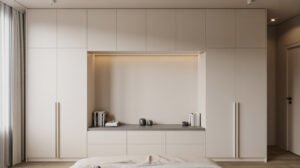
The minimalist bedroom approach isn’t about deprivation – it’s about intentionality. Every item in the room should either be functional or make you genuinely happy.
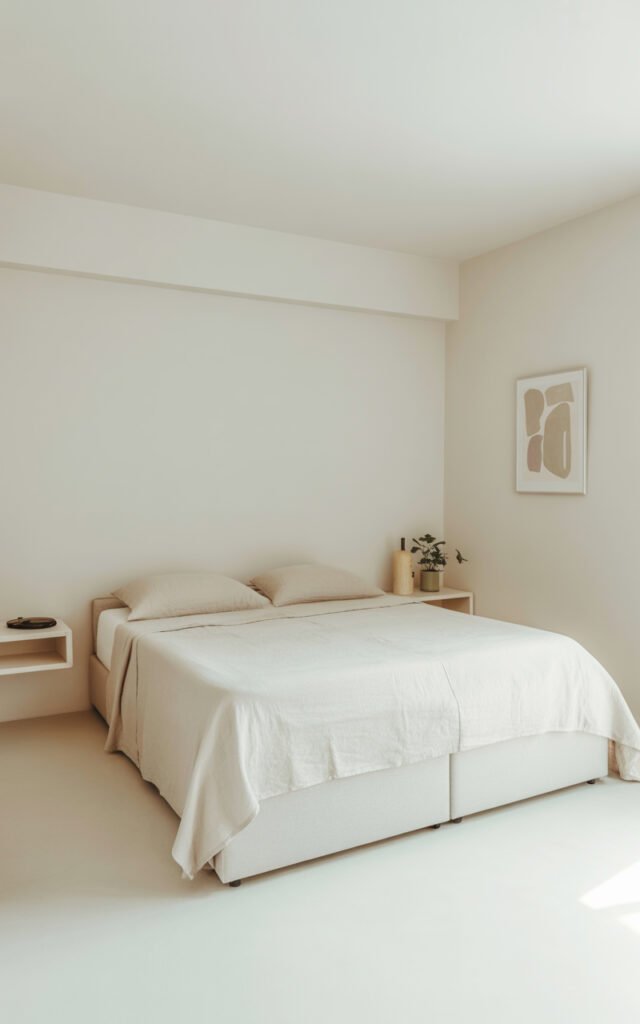
Minimalist bedroom essentials:
- Quality bed with simple frame (platform beds work great)
- Minimal nightstands (one on each side or just one)
- One or two pieces of art maximum
- Hidden storage (under bed, inside closets)
- Neutral color palette (whites, grays, warm beiges)
- Nothing on surfaces except essentials
What you DON’T need:
- Decorative pillows (controversial but true)
- Excessive furniture
- Visible clutter
- Busy patterns
- Random decor that doesn’t serve a purpose
I went minimalist in my bedroom two years ago and it genuinely improved my sleep. Fewer visual distractions meant my brain could actually wind down at night instead of looking at all the stuff I needed to deal with.
Making Minimalist Feel Warm
The challenge with minimal bedroom design is avoiding the cold, sterile feeling.
Warming up minimalist spaces:
- Use warm whites instead of stark cool whites
- Add texture through bedding (linen, chunky knits)
- Include one or two plants
- Choose wood tones over metal
- Layer lighting (no harsh overhead only)
- Add a soft rug
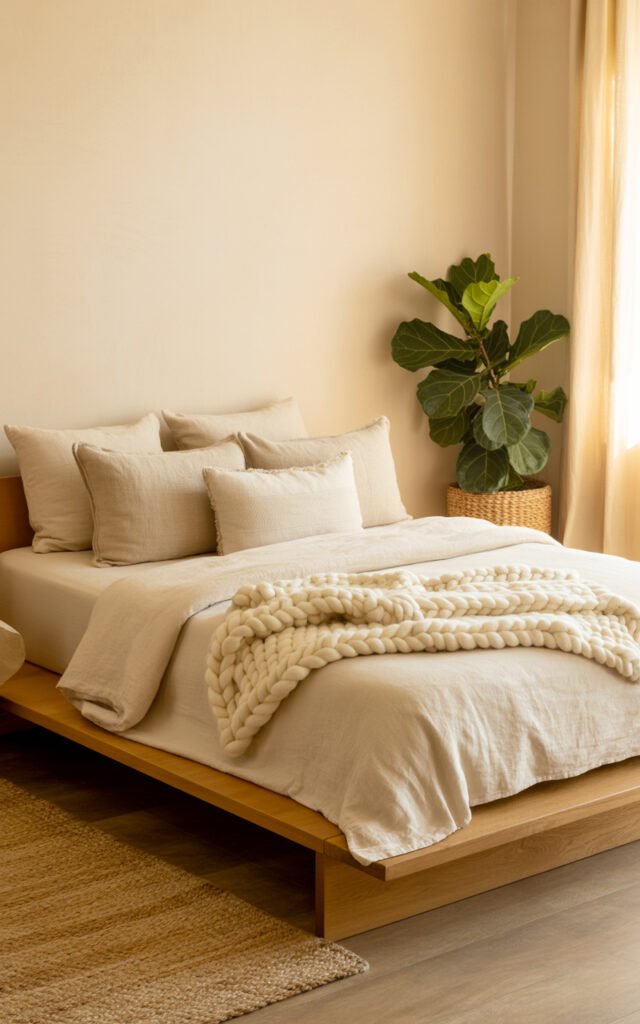
My minimalist bedroom has cream walls (not stark white), a chunky knit throw, linen bedding, and one large plant. It’s minimal but doesn’t feel cold or unwelcoming.
Modern Bedroom: Clean Lines, Current Vibes
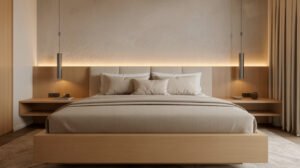
Modern bedroom style is about contemporary design without being stark or impersonal. It’s the sweet spot between minimalist and cozy.
Modern bedroom characteristics:
- Clean-lined furniture (but not cold)
- Mix of materials (wood, metal, fabric)
- Statement lighting (interesting pendants or sconces)
- Geometric patterns (used sparingly)
- Neutral base with one or two accent colors
- Quality over quantity in furniture choices
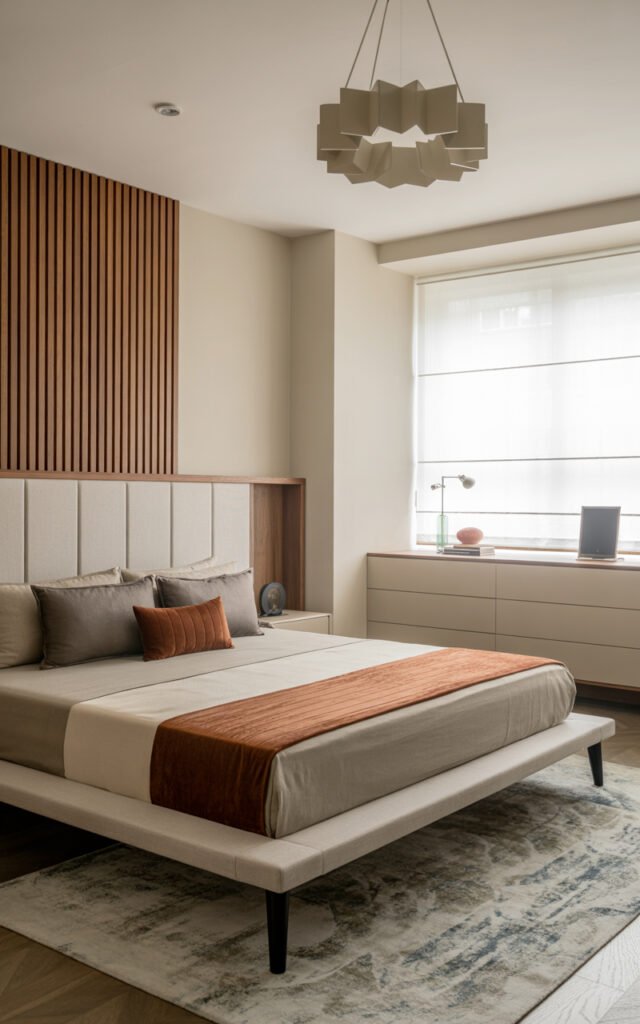
Key pieces for modern bedrooms:
- Platform bed with integrated nightstands or simple frame
- One statement piece (interesting chair, unique light fixture)
- Streamlined dresser or storage
- Large mirror (functional and space-enhancing)
- Window treatments that look intentional
Modern doesn’t mean expensive – it means thoughtfully chosen. I’ve created modern looks with IKEA furniture by focusing on clean lines and keeping the color palette cohesive.
Cozy Bedroom Ideas: The Nest Approach
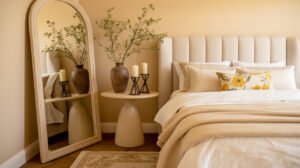
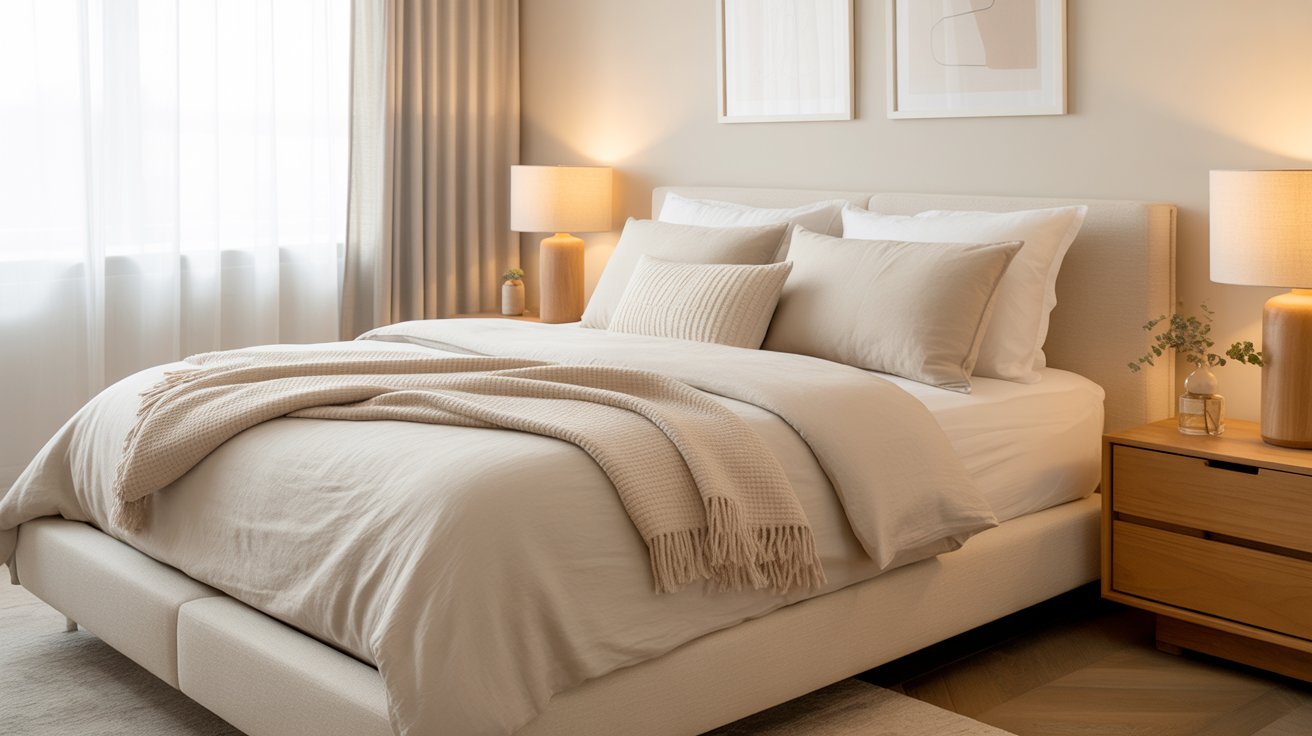
Some people need their bedroom to feel like a comfy bedroom cocoon, and there’s nothing wrong with that. Cozy bedroom ideas embrace warmth, layers, and that “I never want to leave this bed” feeling.
Creating ultimate coziness:
- Layer bedding (sheet, duvet, throw blanket or two)
- Multiple pillows (the decorative kind actually matter here)
- Soft lighting (no harsh overhead, use lamps)
- Plush rug beside bed
- Heavy curtains or blackout options
- Warm color palette (creams, taupes, soft browns)
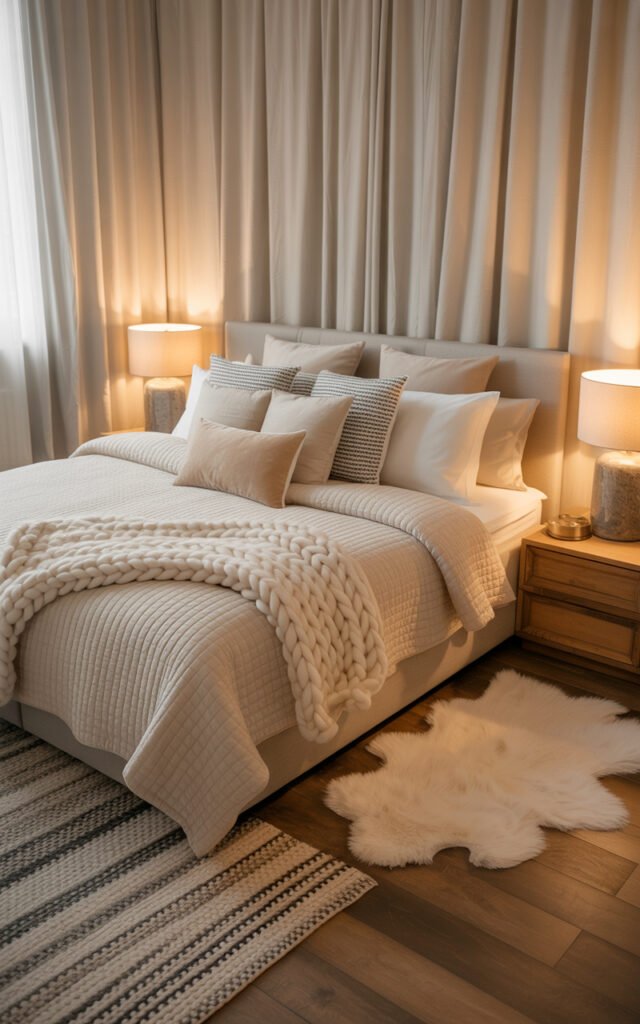
Texture is everything:
- Chunky knit throws
- Velvet or linen pillows
- Soft flannel or jersey sheets
- Faux fur accent pieces
- Woven baskets for storage
I have a friend whose bedroom is maximum cozy – layers on layers, tons of pillows, thick curtains, multiple blankets. She calls it her cave and genuinely sleeps better surrounded by all that softness.
The Hygge Influence
That Scandinavian warm bedroom aesthetic called hygge is basically the blueprint for cozy bedrooms.
Hygge bedroom elements:
- Candles (battery-operated if you’re safety-conscious)
- Warm lighting (string lights, soft lamps)
- Natural materials (wood, wool, cotton)
- Books and personal items
- Comfortable seating (reading chair or bench)
- Layers and softness everywhere
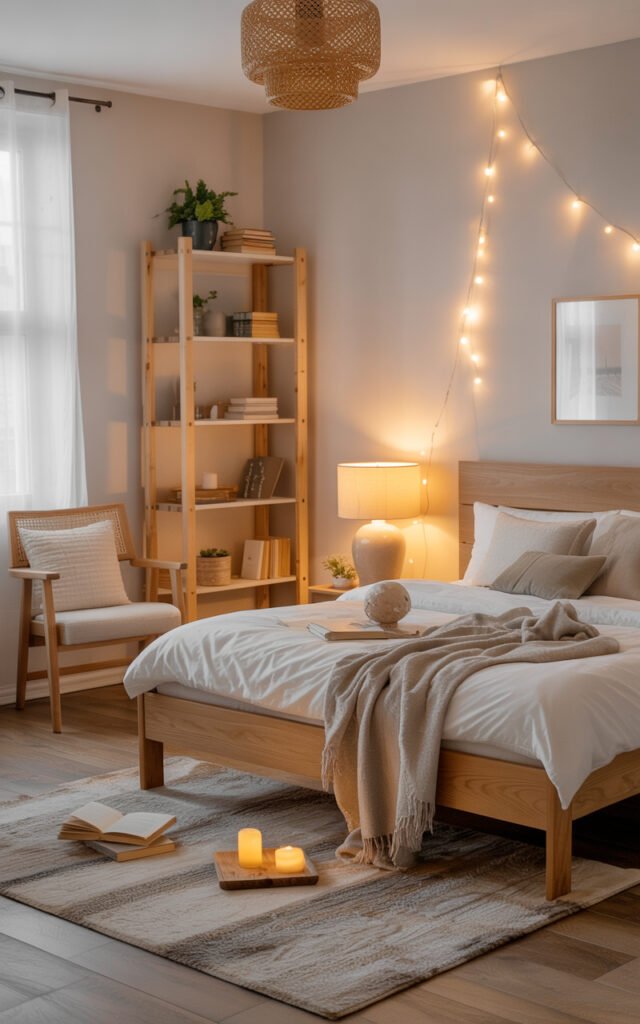
It’s about creating a sanctuary that prioritizes comfort and warmth over looking perfect.
Bedroom Design Styles: Mixing And Matching
Here’s a secret: you don’t have to pick one style and commit forever. Bedroom design styles can be blended if you do it intentionally.
Style combinations that work:
- Modern + Cozy = Warm minimalism with quality soft textiles
- Minimalist + Boho = Clean lines with textured natural elements
- Traditional + Modern = Classic furniture with contemporary accessories
- Industrial + Cozy = Raw materials softened with layers
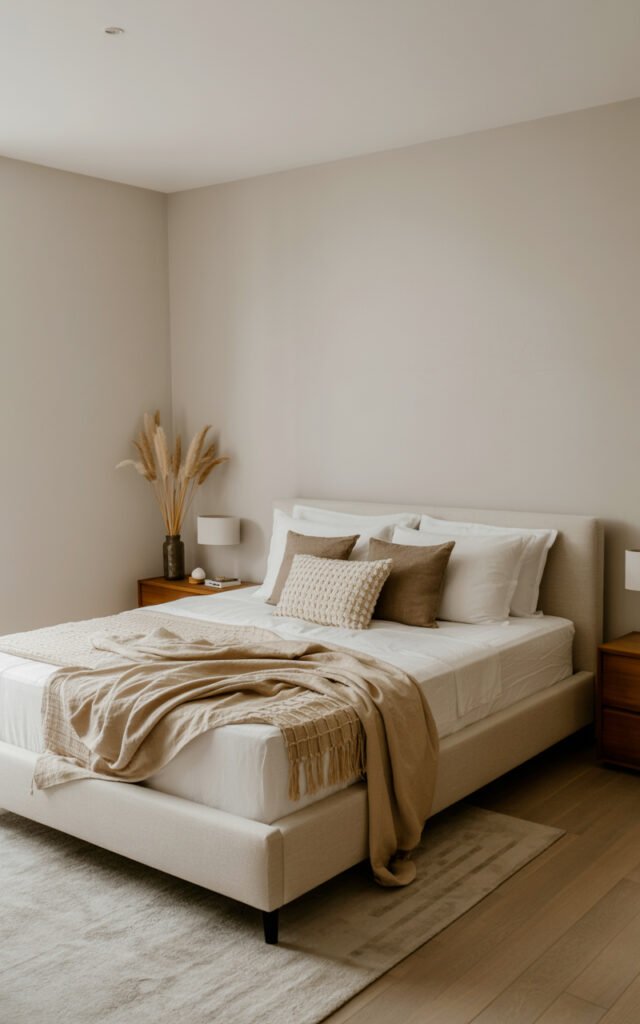
I’d describe my bedroom as “warm modern minimalist” – clean lines and minimal stuff, but with cozy textures and warm tones. It’s not a strict category, but it works for me.
Finding Your Mix
How to blend styles successfully:
- Start with one dominant style (60% of the room)
- Add 30% of a complementary style
- Use 10% as accents or unexpected elements
- Keep color palette cohesive across styles
- Make sure it feels authentic to you
The key is intention. Randomly mixing styles looks confused. Purposefully mixing them looks curated.
Room Inspo Ideas: Where To Actually Find Inspiration
Room inspo ideas are everywhere, but not all inspiration is actually helpful or achievable.
Good sources of inspiration:
- Pinterest (but filter for your actual budget and space size)
- Real people’s homes on Instagram (not just professional designers)
- Home tours on YouTube
- Friends’ spaces that you actually like being in
- Hotels you’ve stayed in and loved
Less helpful sources:
- Celebrity homes (not realistic)
- Professional magazine shoots (styled, not lived-in)
- Anything that requires a complete renovation
- Inspiration that doesn’t match your actual lifestyle
I save images that make me feel something, then analyze what specifically I like – is it the color? The lighting? The minimal furniture? Then I figure out how to recreate that feeling in my actual space and budget.
The Bed: Where To Invest
No matter what bedroom inspo you’re following, the bed itself matters most.
Bed frame options:
- Platform bed (modern, minimalist, no box spring needed)
- Upholstered frame (cozy, adds softness)
- Metal frame (industrial, modern, or traditional depending on style)
- Wood frame (warm, works with most styles)
- Storage bed (practical for small spaces)
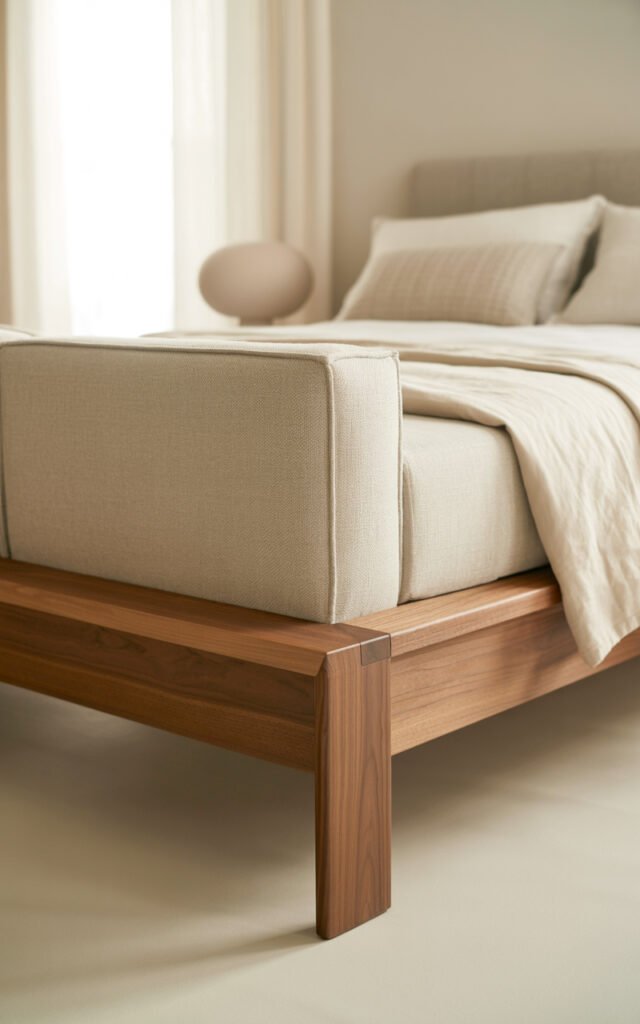
What actually matters:
- Frame height that works for your body
- Stability (no squeaking or wobbling)
- Style that matches your overall vision
- Proper mattress support
- Quality you can afford
I’ve had cheap bed frames that wobbled and it genuinely affected my sleep quality. Invested $300 in a solid platform frame and it made a real difference. Sometimes the basics are worth spending on.
Bedding: The Comfort Layer
Your comfy bedroom depends heavily on bedding choices.
Bedding material guide:
- Cotton: Classic, breathable, easy care
- Linen: Textured, breathable, looks expensive, wrinkles beautifully
- Jersey: Soft, cozy, casual feel
- Flannel: Warm, winter-appropriate
- Microfiber: Budget-friendly, soft, less breathable

Thread count truth:
- Higher isn’t always better
- 300-500 is the sweet spot
- Material matters more than count
- Pay attention to weave quality
I switched to linen bedding two years ago and it transformed my sleep. It’s breathable, looks effortlessly styled, and actually gets softer with washing. Cost more upfront ($120 for a duvet cover at Target) but worth every penny.
Pillow Talk
Too many pillows is cluttering, too few feels sparse. Find your balance.
Pillow formula for different styles:
Minimalist: 2-4 sleeping pillows total, maybe one small decorative lumbar pillow
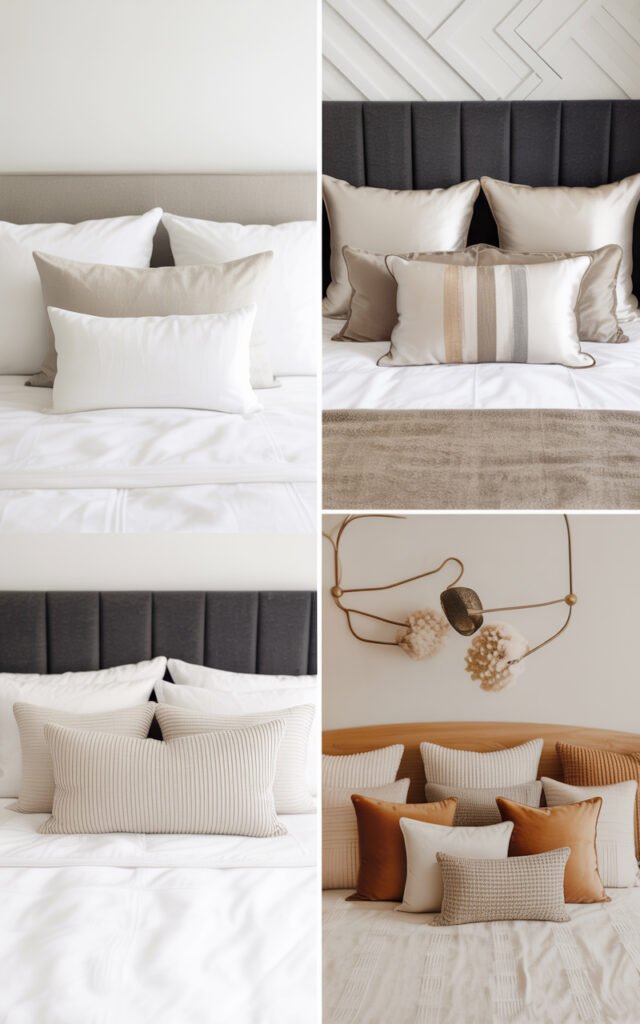
Modern: 2 sleeping pillows per person, 1-2 decorative shams, maybe one accent pillow
Cozy: As many as you want – sleeping pillows, Euro shams, decorative pillows, lumbar pillows, throw pillows. Live your truth.
Storage Solutions: The Clutter Killer
Even in a minimal bedroom, you need storage for clothes, accessories, and life stuff.
Hidden storage ideas:
- Under-bed storage boxes or drawers
- Ottoman or bench with storage
- Floating shelves with baskets
- Closet organization systems
- Nightstands with drawers
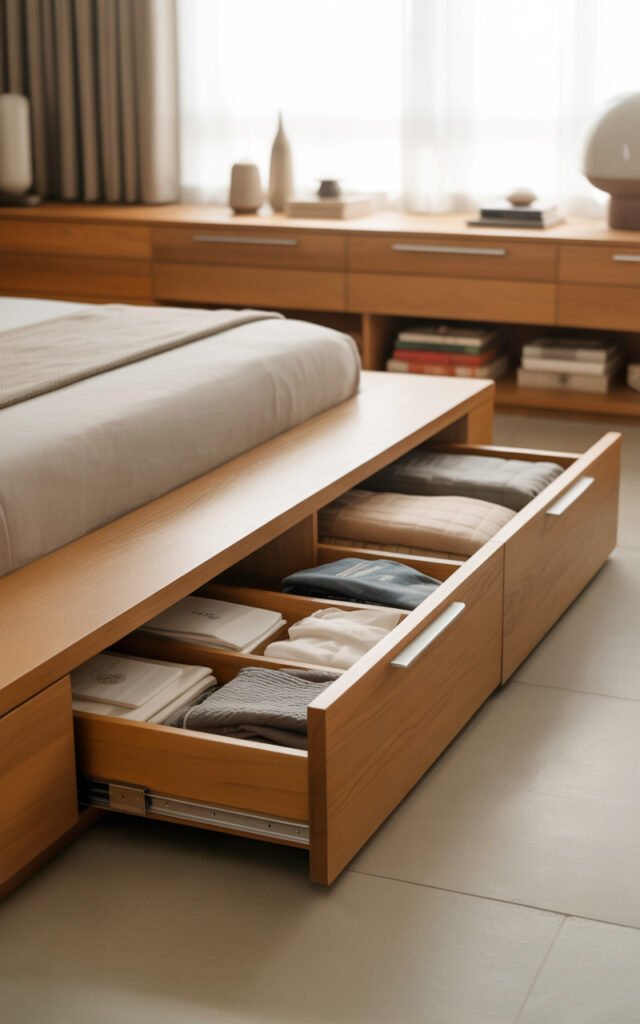
What to store in bedroom:
- Clothes and accessories (obviously)
- Extra bedding and pillows
- Books you’re currently reading
- Personal care items
What NOT to store in bedroom:
- Work materials (keep work out of sleep space)
- Exercise equipment (mentally keeps you in “do” mode)
- Excessive electronics
- Anything anxiety-inducing
I moved my work laptop out of my bedroom and started sleeping better within a week. Even just seeing it on my dresser was keeping my brain in work mode.
Lighting: The Mood Maker
Lighting can make or break any bedroom design styles you’re going for.
Lighting layers every bedroom needs:
- Ambient (ceiling light or overhead)
- Task (reading lights, bedside lamps)
- Accent (decorative, mood lighting)
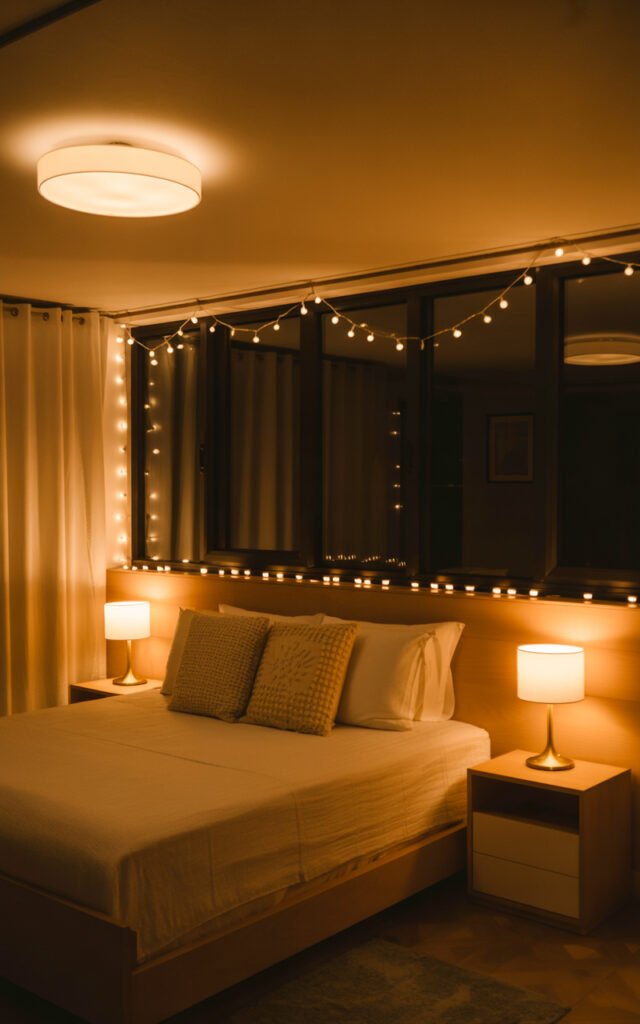
Lighting placement:
- Bedside lamps on nightstands or wall-mounted
- Overhead dimmed or avoided in evenings
- String lights for cozy vibes (if that’s your style)
- Blackout options for better sleep
Bulb temperature:
- Warm white (2700K) for relaxing
- Avoid cool white in bedrooms
- Dimmable is ideal
I installed dimmer switches on my bedroom lights (cost $15 per dimmer) and it’s maybe the best $30 I’ve spent. Bright light in the morning, soft glow at night, all from the same fixtures.
Color Psychology: More Than Aesthetics
The colors in your bedroom actually affect your mood and sleep quality.
Calming bedroom colors:
- Soft blues and greens (scientifically calming)
- Warm neutrals (beiges, taupes, creams)
- Soft grays (warm-toned, not cool)
- Muted dusty tones (rose, sage, lavender)
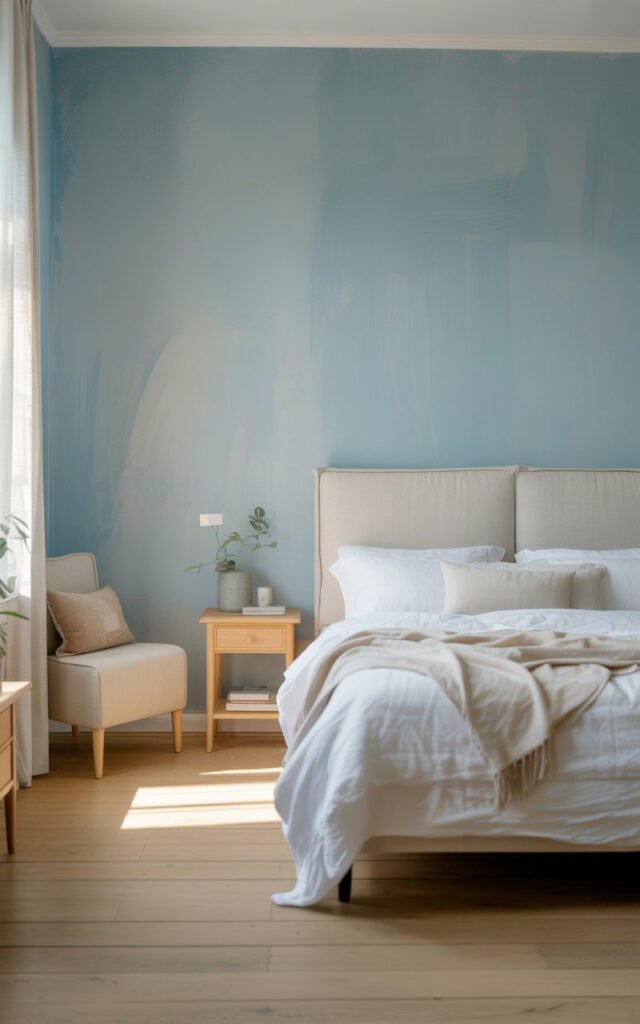
Energizing colors to avoid:
- Bright reds (increase heart rate)
- Vibrant oranges (too stimulating)
- Bright yellows (can cause anxiety)
- Stark white (can feel cold and clinical)
My bedroom is painted a warm greige (Benjamin Moore Edgecomb Gray) and it’s the perfect backdrop for both waking up energized and winding down peacefully.
Window Treatments: Function Meets Style
Windows need to work for your sleep schedule and style.
Options for different needs:
- Blackout curtains (for light sleepers or shift workers)
- Linen curtains (soft, filters light, looks expensive)
- Roman shades (clean, modern, functional)
- Layered (sheer + blackout for flexibility)
- Plantation shutters (permanent, clean look)
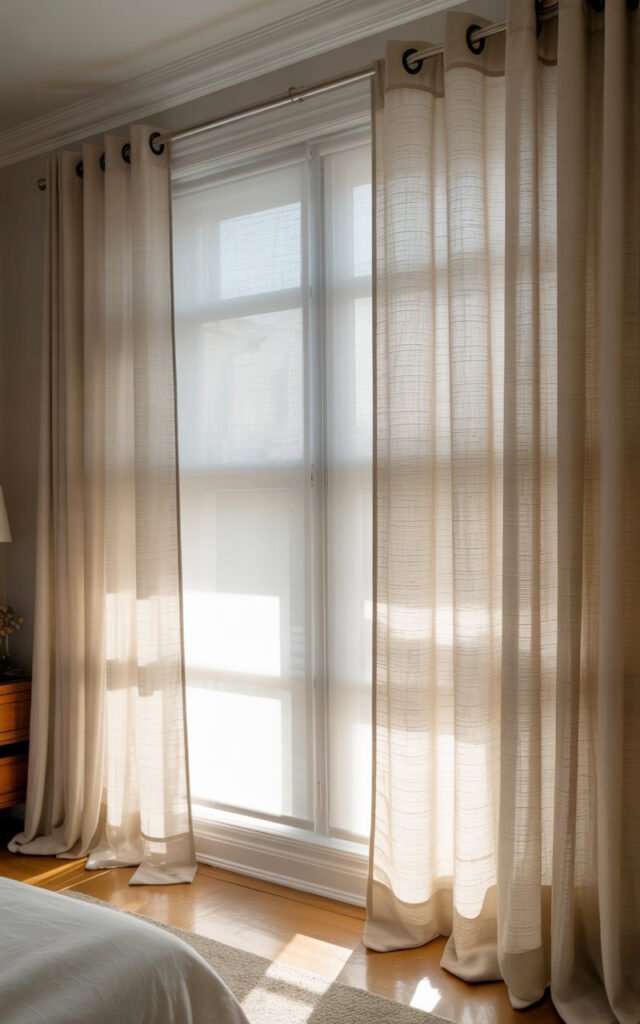
What matters:
- Blocks enough light for your sleep needs
- Provides privacy
- Complements your style
- Easy to operate
- Proportional to window size
I have linen curtains layered with blackout roller shades behind. Linen during the day looks beautiful and soft, blackout at night for actual sleep. Cost about $150 total from IKEA and Target.
Flooring And Rugs: Ground Your Space
The floor situation affects the whole vibe of your warm bedroom aesthetic.
Rug placement:
- Under bed with 18-24 inches showing on sides and foot
- Beside bed (smaller rugs on each side)
- Centered in room if bed is against wall
Rug sizes for different bed sizes:
- Twin/Full: 5×8 or 6×9
- Queen: 8×10 or 9×12
- King: 9×12 or larger
Materials:
- Wool: Durable, soft, naturally stain-resistant
- Cotton: Washable, affordable, casual
- Jute: Textured, natural, budget-friendly
- Synthetic: Easy care, affordable
I’ve got a 9×12 cream wool rug under my queen bed (found it on RugsUSA sale for $220). The softness first thing in the morning makes getting out of bed slightly less terrible.
Budget Bedroom Makeover: What To Prioritize
If you can’t do everything at once, here’s the order of operations.
Priority 1: Bed and bedding
- This is where you spend 1/3 of your life
- Quality here affects sleep quality
- Start here even if nothing else changes
Priority 2: Lighting
- Huge impact for relatively low cost
- Changes entire mood of space
- Easy to DIY
Priority 3: Window treatments
- Affects sleep quality and privacy
- More important than decorative items
- Functional necessity
Priority 4: Storage solutions
- Clutter affects mental state
- Necessary for maintaining any style
- Prevents style backsliding
Priority 5: Decorative elements
- Art, plants, accessories
- Important but not urgent
- Add gradually as budget allows
I did my bedroom makeover over 6 months, one priority at a time, as I could afford it. Way more sustainable than trying to do everything at once and blowing my budget.
Common Bedroom Mistakes To Avoid
Let me save you from things I learned the hard way:
Don’t push all furniture against walls. Floating nightstands or bed slightly away from wall can make the room feel more intentional.
Don’t use overhead lighting only. Harsh ceiling light in a bedroom is the worst. Layer your lighting.
Don’t forget about the view from the bed. Whatever you see lying in bed looking forward should be pleasant or calming, not a pile of laundry or cluttered dresser.
Don’t match everything. A perfectly matched bedroom set from one furniture store looks like a hotel (and not in a good way). Mix pieces.
Don’t sacrifice function for style. If you can’t reach your bedside lamp easily or don’t have space for a water glass, the style isn’t working.
Small Bedroom Solutions
Room inspo ideas for small bedrooms require different strategies.
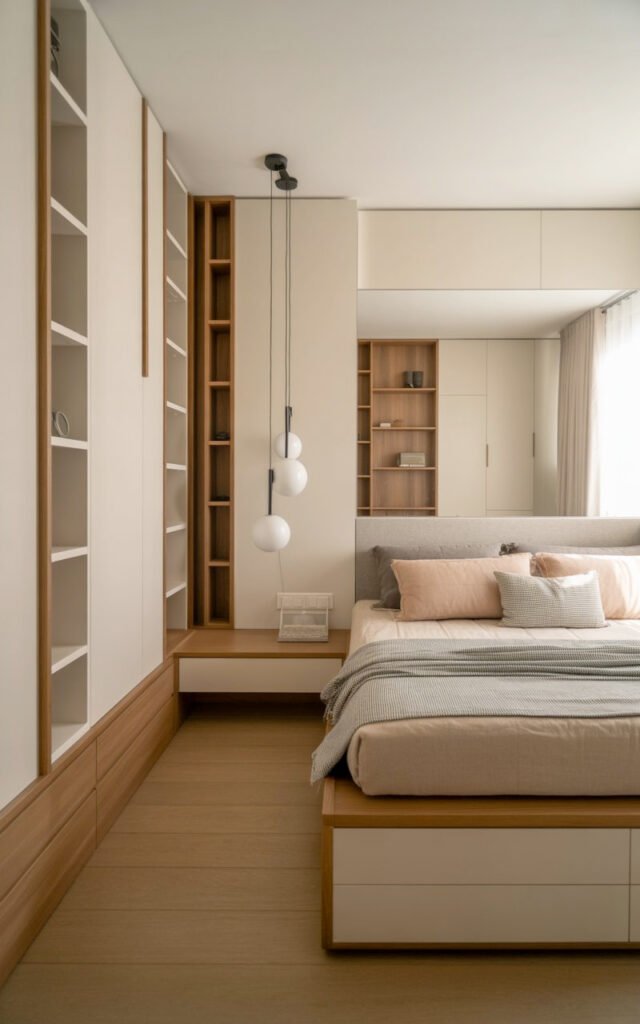
Maximizing small bedrooms:
- Use vertical space (tall bookcases, wall-mounted storage)
- Choose furniture with dual purposes (storage bed, ottoman with storage)
- Keep palette light and airy
- Use mirrors to create illusion of space
- Minimize furniture to essentials only
What to skip in small bedrooms:
- Oversized furniture
- Dark heavy colors
- Excessive decor
- Furniture in walkways
- Heavy window treatments
My first apartment bedroom was 9×10 feet (tiny), and I made it work with a platform storage bed, one floating nightstand, wall-mounted lighting, and very minimal decor. Small doesn’t have to mean cramped if you’re strategic.
Maintenance: Keeping It Looking Good
Any bedroom inspo you follow requires maintenance to stay looking like the inspiration photo.
Daily 5-minute bedroom maintenance:
- Make the bed (transforms the whole room)
- Put clothes away or in hamper
- Return items to their homes
- Open curtains for daylight
- Quick surface tidy
Weekly maintenance:
- Change sheets
- Dust surfaces
- Vacuum or sweep floor
- Declutter surfaces
- Fluff pillows and straighten bedding
Monthly maintenance:
- Rotate mattress (some types)
- Deep clean floors
- Wash any throw blankets or decorative pillows
- Declutter drawers/closets
- Check for items that don’t belong
This seems like a lot, but the daily stuff is genuinely 5 minutes and the weekly stuff is maybe 20 minutes. Worth it to maintain a space you actually enjoy.
Making It Personal
The best bedroom ideas mean nothing if the space doesn’t feel like yours.
Adding personality:
- Art that means something to you
- Photos of people/places you love
- Books you actually read
- Colors that make you happy
- Textures you want to touch
- Scents you enjoy (candles, diffusers)
My bedroom has a small print from a trip to Japan, books I’m currently reading on my nightstand, and a plant a friend gave me. These personal touches make it mine, not just a styled room from Pinterest.
The Final Sleep
Creating your perfect bedroom comes down to identifying your style preferences (minimalist, modern, cozy, or a blend), prioritizing comfort in bed and bedding, layering lighting for different moods, choosing calming colors and textures, and maintaining the space consistently.
That’s it. Five principles that work whether you’ve got a massive master suite or a tiny apartment bedroom, whether you’re minimalist or maximalist, whether your budget is $500 or $5,000.
Your bedroom should be the one place in your home that’s completely optimized for you – your sleep, your comfort, your peace of mind. Not for guests, not for Instagram, not to impress anyone. Just for you to rest and recharge.
Now go look at your bedroom and honestly assess: does it make you feel good, or is it just fine? Because “just fine” isn’t good enough for the space where you spend a third of your life.
Time to make it actually good. 🙂